


In This Article
2. Stage 1: A freebie that attracts buyers
3. Stage 2: An opt-in page with one job
4. Stage 3: Welcome emails that help before they sell
5. Stage 4: An offer with a real deadline
6. Stage 5: A reminder, then a clean close
7. Stage 6: After someone buys
8. What we learned building our own funnels
9. Building it in Divi
10. The takeaway
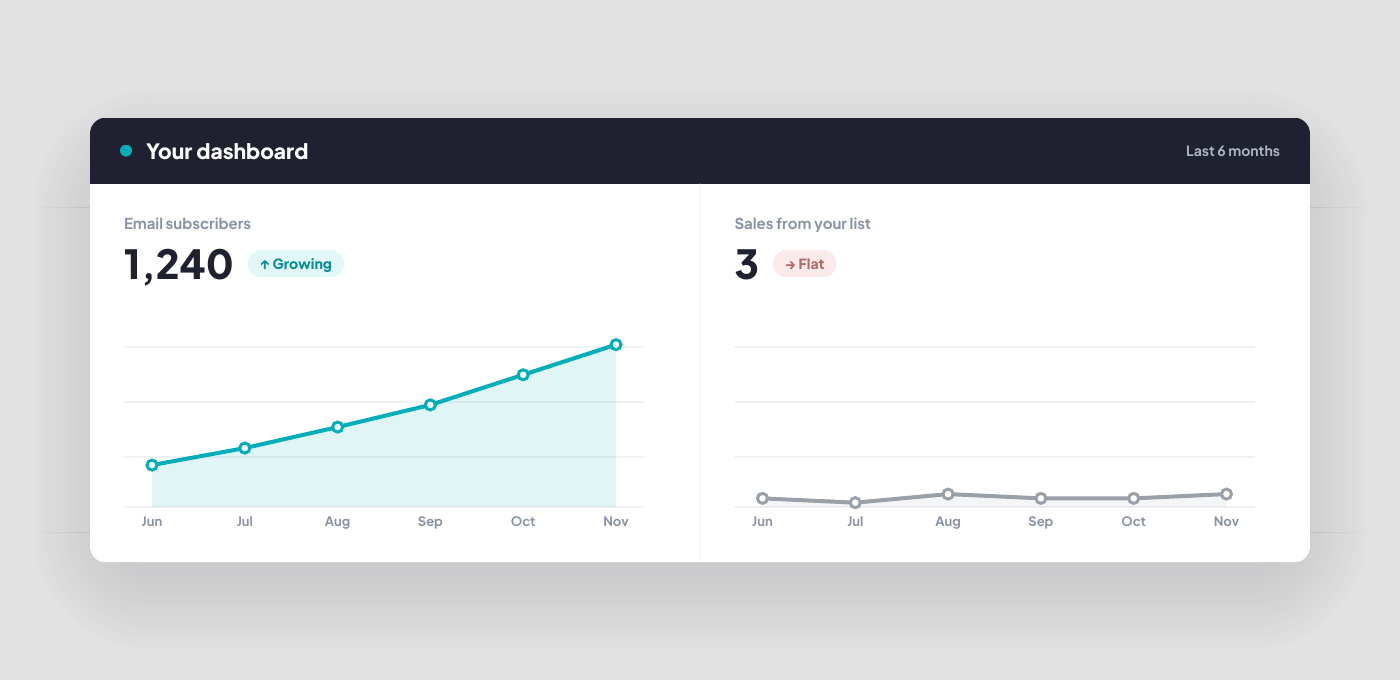
But a list on its own doesn’t pay the bills. Plenty of people have hundreds or thousands of subscribers and very few sales from them. They signed up, got a welcome email, and then heard nothing useful until a sale announcement months later.

What a funnel actually is
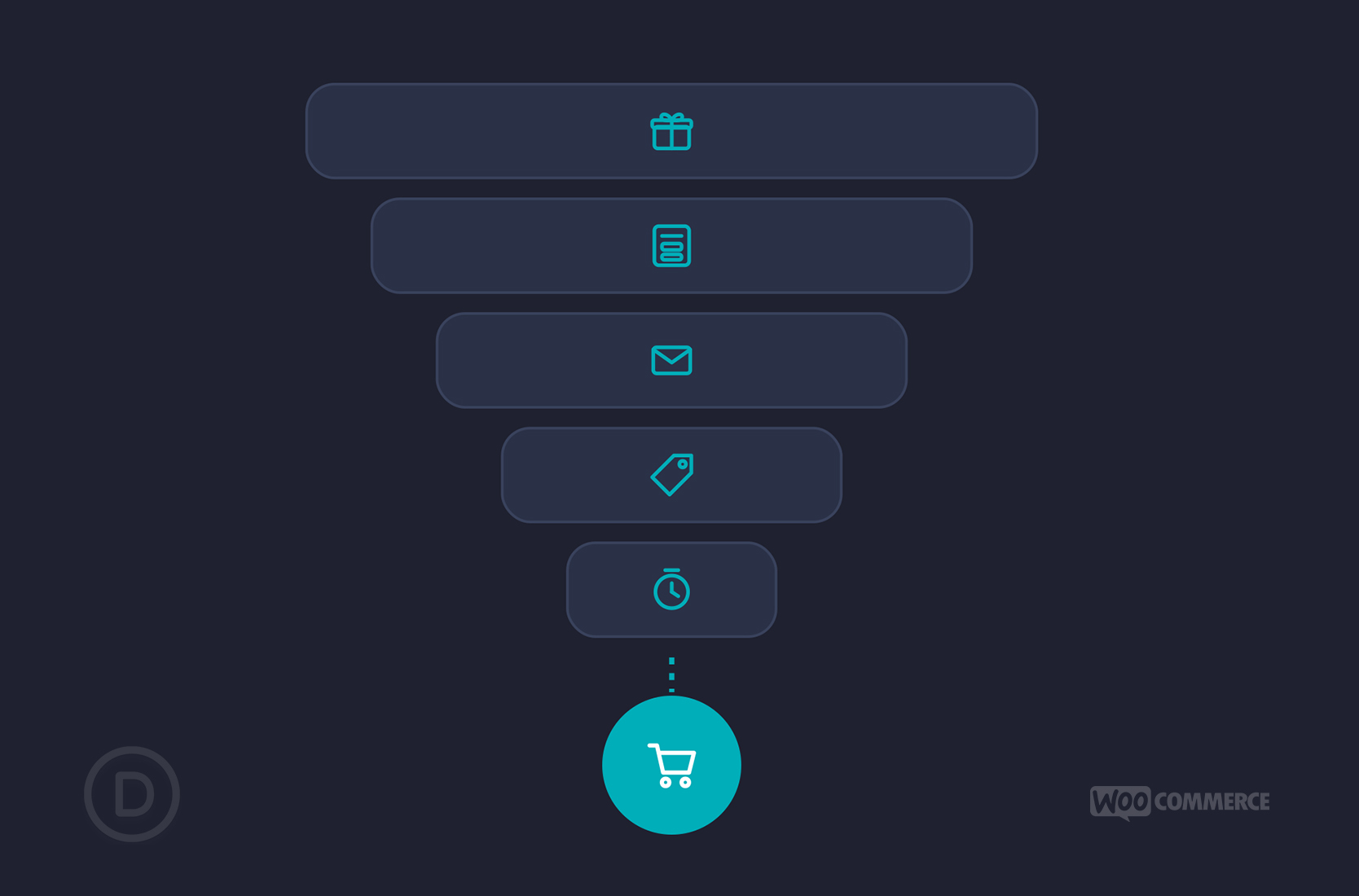
It sounds technical, but it isn’t. It’s just the answer to a simple question: when someone joins my list today, what do they get, and in what order?
Most lists don’t have an answer to that question. A funnel does.
Stage 1: A freebie that attracts buyers
The trap here is making something that attracts everyone. A generic freebie gets lots of signups from people who will never buy what you sell. A good freebie is closely related to your paid product, so the people it attracts are the people your product is for.
A simple test: if someone loves your freebie, would your paid product be the obvious next step for them? If yes, you’re on the right track. We go into it in more detail in how to choose a freebie that brings in buyers.
Stage 2: An opt-in page with one job
That means a clear headline about what they’ll get, a short explanation of why it’s useful, a signup form, and not much else. No menu leading off to other pages, no list of your other products. Every extra link is a way out. Here’s how to build one in Divi, step by step.

Stage 3: Welcome emails that help before they sell
Before you ask anyone to buy, send a few emails that are useful on their own. Help them get the most out of the freebie. Answer the questions they’re likely to have. Show them something they didn’t know. Let them see how you think and how you work.
By the time the offer arrives, they should already have a reason to trust you.
Stage 4: An offer with a real deadline
Two things make it work:
- It’s personal. Each subscriber gets their own link, so the offer can’t end up on coupon sites.
- It has a real deadline. Counted from when they signed up, not a fake countdown timer that resets every time the page loads.

Stage 5: A reminder, then a clean close
Then let the offer close when you said it would. If you extend it every time, people learn that your deadlines don’t mean anything, and the next offer won’t work as well.
Stage 6: After someone buys
What we learned building our own funnels

Building it in Divi
- The opt-in page and form: Divi’s Email Optin module connects to your email provider, so signups go straight into your list.
- The emails: written and scheduled in your email provider, as an automation that starts when someone signs up.
- The personal offer: our Divi Coupon Links plugin creates a personal discount link with its own deadline for each subscriber, from the same Divi form, so you don’t need a coupon box on your checkout. (Here’s why that box can cost you sales.)
The takeaway
Start with a freebie the right people want. Help them before you sell. Make a personal offer with a real deadline, remind them once, and give them enough time to decide. Then watch the numbers, improve one stage at a time, and let it run.
